
Understanding the Unique Position
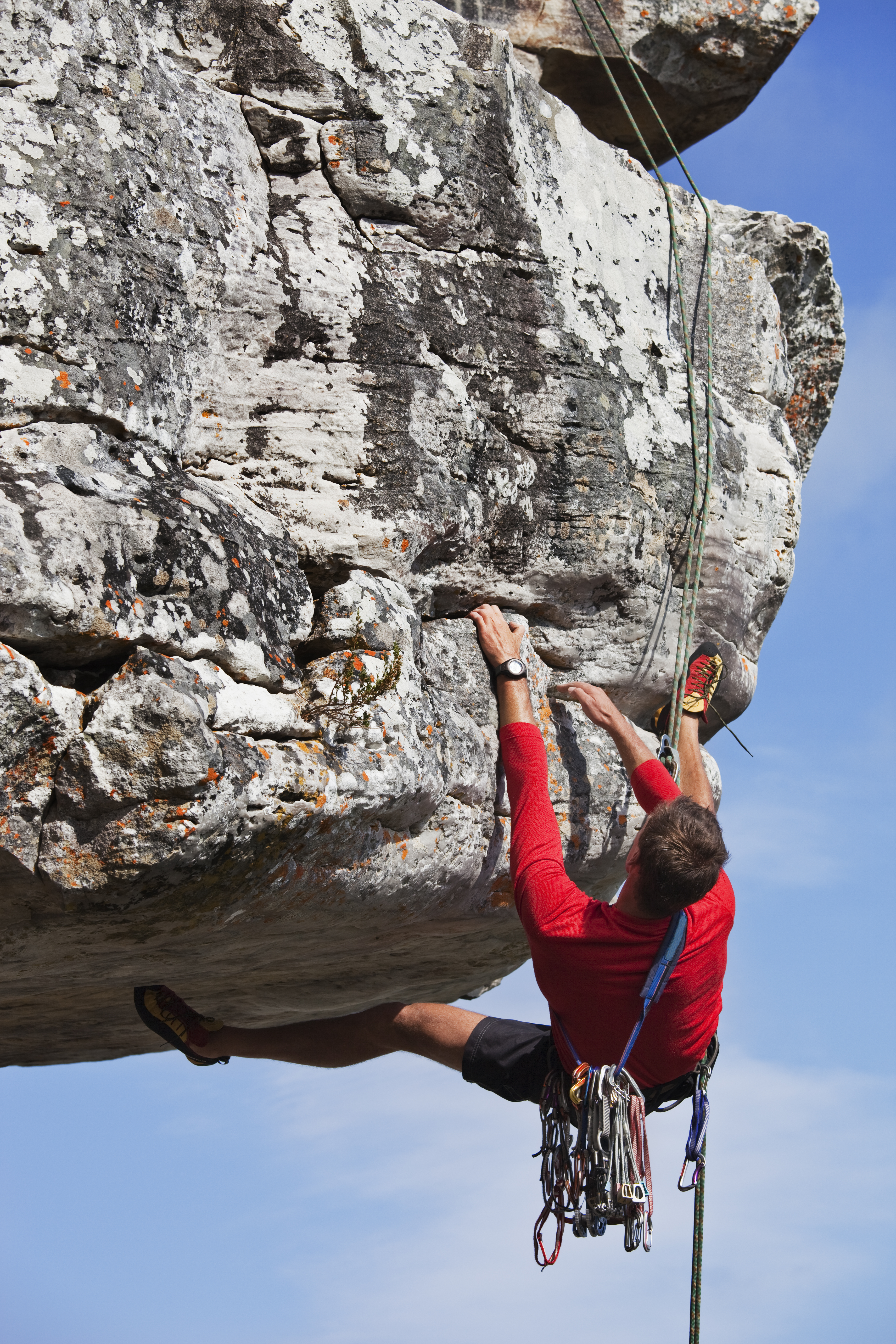
Climbing overhangs can be daunting, especially for those of us with smaller frames. The strength required often seems overwhelming. However, it’s important to realize that every climber has their own unique advantages.
As a shorter climber, one of your advantages is your lower center of gravity. This can provide better balance and control during climbs. With practice, petite climbers can develop specific skills that turn perceived shortcomings into strengths.
Play to Your Strengths
We typically have several biomechanical advantages:
- Better strength-to-weight ratio: Smaller climbers often have less mass to pull up.
- Lower center of gravity: Improved balance on tricky routes.
- Greater core stability: Essential for maintaining body tension.
- More efficient movement: Especially on compression-based problems.
- Superior flexibility: Crucial for innovative climbing techniques.
Petite Climbers’ Techniques for Overhangs
Master the High Foot
When climbing overhung routes, getting your feet as high as possible can significantly reduce the load on your arms. Early on, I struggled with this until I focused on my foot placement. Here are some tips:
- Develop hip flexibility: Being able to high step can make a world of difference.
- Practice heel hooks: Start at or above waist level.
- Work on toe hooks: They help maintain body tension and balance.
Perfect Your Flagging
Flagging becomes even more crucial for us on overhangs. Here are techniques to consider:
- Back flags: These help counterbalance longer reaches.
- Side flags: Useful for creating stability when holds are spaced wide.
- Practice transitions: Moving smoothly between different flag positions enhances efficiency.
Optimize Body Positioning
With less reach, precise body positioning becomes your secret weapon:
- Drop knees: This extends your effective reach, enabling you to access distant holds.
- Cut feet strategically: This allows you to swing to further holds with greater ease.
- Campus moves: Get comfortable with dynamic movements when necessary.
Addressing Limited Pull-Up Strength and Few Intermediate Footholds
Targeted Strength Building
Many climbers face the frustration of tackling overhangs without adequate pull-up strength. Here are specific strategies that can help:
- Progressive pull-up training: Start with negatives (jumping up and lowering slowly) if full pull-ups are difficult.
- Scapular pulls: This builds the initial engagement muscles for pull-ups.
- TRX/ring rows: Adjustable resistance can build pulling strength at suitable levels.
- Lock-off practice: Holding for 3-5 seconds at various angles builds critical strength.
When Intermediate Footholds Are Scarce
What do you do when footholds feel scarce? Here are effective techniques:
- Smearing technique: Learn to create friction on blank walls; even small textures can provide counter-pressure.
- Bicycle feet: Rather than cutting your feet completely, continue to move them in a cycling motion to maintain body tension.
- Knee bars and knee scums: These allow you to wedge your knees against features for rests or temporary stability.
- Momentum management: Use controlled momentum instead of raw strength to move efficiently between holds.
Creating Your Own Intermediates
Sometimes, climbing requires creativity. These techniques can help:
- Thumbcatch techniques: Your thumb can be used as an opposing force on underclings or slopers.
- Bat hangs: In extreme cases, hanging by your feet can provide a complete rest.
- Palming: Pressing open hands against volumes can create crucial stability.
Mental Approaches
When I felt stuck on overhangs, changing my mindset was vital. Here are some mental tips that helped me:
- Accept slower progress: Understand that building strength takes time, especially on overhung terrain.
- Break projects down: Focus on smaller sections for visible improvements.
- Celebrate tension improvements: Progress isn’t always measured by sending the route.
Final Thoughts
Smaller frame climbers may need to invest extra time in developing specific strength for overhangs, but our lower center of gravity can ultimately become an advantage. I found that after about six months of focused training, overhangs transformed from my weak point to one of my strengths.
Remember: the best climber isn’t the tallest or strongest but the one with the most efficient movement and smartest problem-solving approach. Embrace the struggle of building pull-up strength as part of your journey!
Additionally, if you’re looking for expert advice and resources for your climbing journey, check out this link for more tips and training recommendations.