
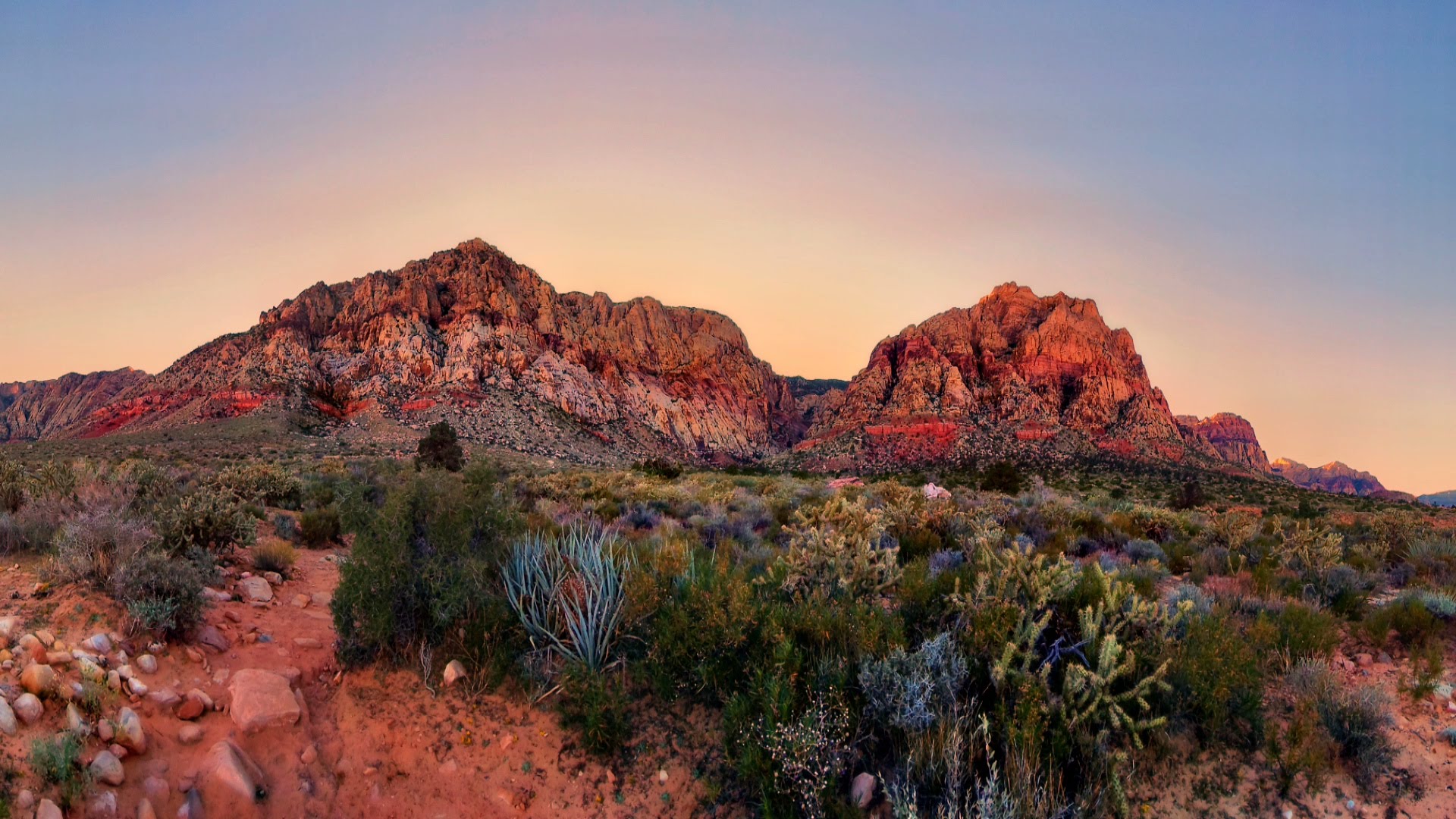
Red Rock Canyon National Conservation Area—just a short drive from the Las Vegas Strip—offers one of North America’s most iconic climbing experiences. With vibrant Aztec sandstone cliffs, almost 3,000 established routes, and year-round climbing potential, Red Rocks draws climbers worldwide. Whether it’s your first time or your tenth, climbing here can be as smooth or as chaotic as your planning allows. This guide helps you navigate the logistics, route choices, and community connections to climb Red Rocks like a local.
Why Red Rocks Is Worth the Hype
Red Rocks is a rare blend of accessibility and adventure. In one trip, you can sample steep sport lines, test your mental game on multi-pitch trad, or spend a day bouldering in the desert. Just 17 miles west of Las Vegas, it’s close enough for a weekend trip but expansive enough for a full season of discovery.
The unique geography creates a climbing paradise unlike anywhere else. The Aztec sandstone—with its iconic red, orange, and cream-colored bands—formed over 180 million years ago when ancient sand dunes solidified. Today, these formations offer everything from delicate face climbing to burly overhangs and splitter cracks.
Key Features:
- Diverse climbing: Single-pitch sport, bouldering, and 2,000-foot trad lines
- Seasonal sweet spot: Prime climbing windows are spring (March–May) and fall (October–November)
- Scenic beauty: Colorful sandstone formations framed by desert flora and wide skies
- Reasonable approaches: Many classics are only a 20–60 minute hike from the road
Plan Like a Local: Logistics & Must-Know Tips
Before diving into the rock, locals know that planning well is key. Red Rocks isn’t a place you want to “wing it,” especially during peak season.
Permits & Access:
- Scenic Drive Reservations: From October 1 to May 31, you’ll need a timed entry reservation for the Scenic Drive between 8am–5pm. Book through recreation.gov.
- Late/early access: If you plan to start before the gate opens or return after it closes, you’ll need to park outside or enter early.
- Fees: $20 per vehicle for a day pass or $80 for an annual pass. America the Beautiful passes are accepted.
Weather Considerations:
- Summer: Expect scorching temperatures over 100°F—climbing is dangerous and generally avoided.
- Winter: Snow and ice can impact higher elevations and descents, particularly on north-facing walls.
- Rain: Red Rocks sandstone is fragile and prone to breaking when wet. Avoid climbing for 24–72 hours after rain.
Approach Times:
- Short hikes: The Gallery, Black Corridor (~15–30 mins)
- Moderate treks: Olive Oil, Birdland (~45–60 mins)
- Long hauls: Epinephrine, Crimson Chrysalis (~1.5–2+ hrs)
Locals always budget extra time for navigation and descent, especially on multi-pitch routes where finding the start can be as challenging as the climbing itself.
Finding Your People: Why Climbing Partners Matter
One of the biggest challenges for visiting climbers? Finding safe, stoked, and reliable partners. Many people travel solo or arrive with partners whose objectives don’t quite align. That’s where climbing partner platforms—like the one offered by onBelay—come in handy.
How Partner Matching Works:
- Create a profile with your climbing style, preferred grades, and goals
- See who else is climbing in Red Rocks during your trip window
- Match based on preferences like sport vs. trad, single- vs. multi-pitch, or morning vs. afternoon sessions
You still need to communicate and vet potential partners for safety and compatibility, but having a platform to make initial connections removes the guesswork.
Remember that partner selection is a safety consideration, not just a social one. For multi-pitch routes especially, having a compatible and competent partner can be the difference between a dream day and an epic nightmare.
Know the Classics (and How to Climb Them Well)
Locals often rotate through favorite routes depending on weather, crowds, and conditions. Here are some must-do routes broken down by style, including notes on what to expect.
🧗♂️ Top Sport Climbing Areas
- The Gallery (5.10–5.13): Steep, technical climbing with quick access and well-bolted lines. Try Yaak Crack (5.11c).
- The Black Corridor (5.9–5.11): Vertical walls, constant shade, and a popular intro to Red Rocks sport.
- Civilization Crag (5.6–5.10): Great for warming up or easy half-day sends.
- Panty Wall (5.8–5.12a): Morning sun and afternoon shade make this ideal for winter climbing days.
🧗♀️ Classic Trad & Multi-Pitch
- Epinephrine (5.9, 13 pitches): Legendary chimney climbing in Black Velvet Canyon—start early!
- Olive Oil (5.7, 5 pitches): Perfect for beginners stepping into trad and multi-pitch.
- Cat in the Hat (5.6, 6 pitches): One of the best low-grade routes in Pine Creek.
- Crimson Chrysalis (5.8+, 9 pitches): Long, sustained climbing with incredible views.
- Dark Shadows (5.8, 4+ pitches): Shady and elegant, often busy—aim for off-peak hours.
🪨 Best Bouldering Spots
- Kraft Boulders: The crown jewel of Red Rocks bouldering, with classics like The Pearl (V5) and Potato Chip (V5).
- Gateway Canyon: Less traveled, solid problems, and epic desert surroundings.
- Black Velvet Canyon: Worth the longer approach for problems like Plumbers Crack (V4).
Don’t forget to bring multiple crash pads and spotters—landings are often uneven and rocky.
Climb More, Wander Less: Why Pre-Trip Beta Matters
Red Rocks can be disorienting, and even experienced climbers occasionally get off-route. That’s why local climbers spend time previewing their climbs.
Use Quality Beta Resources:
- Preview routes in detail: Examine pitch-by-pitch breakdowns before you arrive at the wall
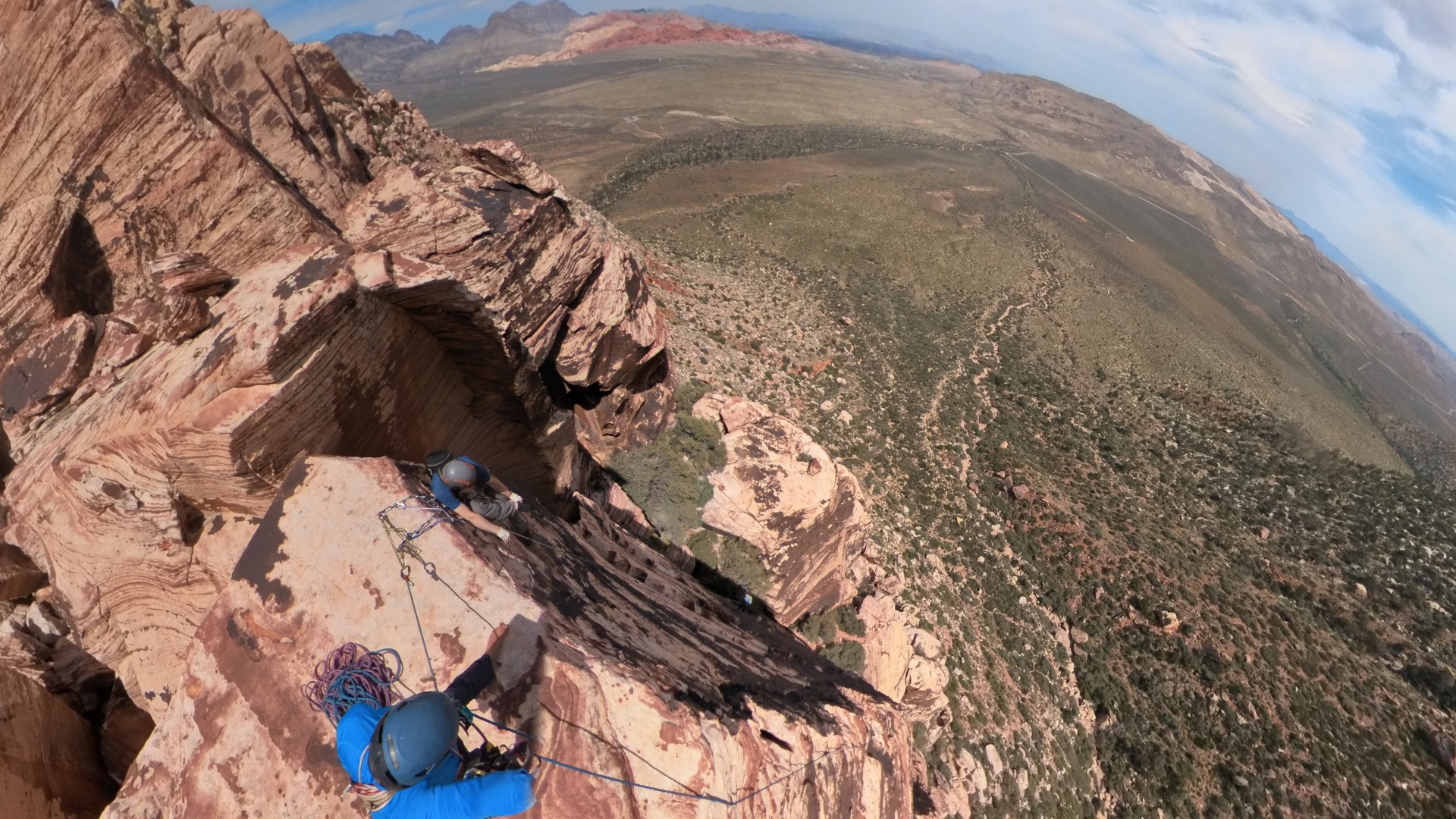
- Review 360° panoramic photos to visualize the wall and surrounding landmarks
- Plan your rappel strategy or hike-off
Interactive 360° images allow rock climbers assess their descent options from the summit, overlooking a vast and rugged landscape. 360° topos help climbers identify approaches, route starts, and key features from a distance. Traditional guidebooks and route descriptions remain essential for understanding the specific climbing sequences and protection.
For multi-pitch routes, locals recommend studying not just the climbing but also the descent options. Many epics happen not on the way up but on the way down when tired climbers miss rappel stations or take wrong turns during walk-offs.
A Day in the Life: What Locals Actually Do
A local’s day at Red Rocks usually follows a rhythm that balances climbing, safety, and social connection. Here’s how they do it:
- Start early: Beat the heat and the crowds by starting approaches at sunrise.
- Choose with intention: Base objectives on weather, sun/shade, and partner goals. South-facing walls for winter, north-facing for spring/fall.
- Pack smart: Extra water, sunscreen, headlamp, layers, and descent info are all musts.
- Know when to bail: Conditions change—be flexible with backup plans at different aspects.
- Wind down well: Post-climb hangs in Summerlin or camping near the loop are part of the culture.
Many locals maintain a climbing journal, noting conditions, beta improvements, and experiences to refine their approach over time.
Etiquette & Conservation: Be the Kind of Climber Locals Respect
Red Rocks is both a recreational treasure and a sensitive desert ecosystem. If you want to climb here like a local, treat the land and the people around you with care.
Do:
- Stay on trails and established belay areas
- Pack out all trash, including wag bag, tape, and toilet paper
- Respect closures
- Minimize chalk use and brush off tick marks
- Avoid climbing on wet sandstone—always
Don’t:
- Blast music at the crag
- Hog anchors or block belay stations
- Overcrowd popular routes without giving others space
Being a good steward makes you part of the climbing community, not just a visitor.
Before You Go: Final Local Tips
- Have a backup plan: Popular routes fill up fast. Have Plan B (and C) ready.
- Cell service is limited: Download maps, topos, and partner contacts in advance.
- Hydrate and fuel up: Bring more water than you think you’ll need. Red Rocks is dry and draining.
- Leave time for the descent: Many climbs have long or confusing walk-offs.
- Know your limits: Red Rocks grades often feel stiff, especially on trad routes.
Even locals mess this up occasionally. Don’t be that party fumbling with headlamps at 9pm.
Send More, Worry Less
Red Rocks is vast, complex, and stunningly beautiful. But it rewards those who prepare. Climb smarter by knowing what you’re getting into, matching up with the right partners, and previewing your routes like you’ve already been there.
The true local experience isn’t about sending the hardest routes—it’s about moving through this desert landscape with intention and respect. It’s finding the perfect balance between ambition and enjoyment, between pushing your limits and soaking in the wild beauty of the Mojave.
You don’t need to be a local to climb like one—just a little insight, initiative, and desert respect.
See you at the crag.