
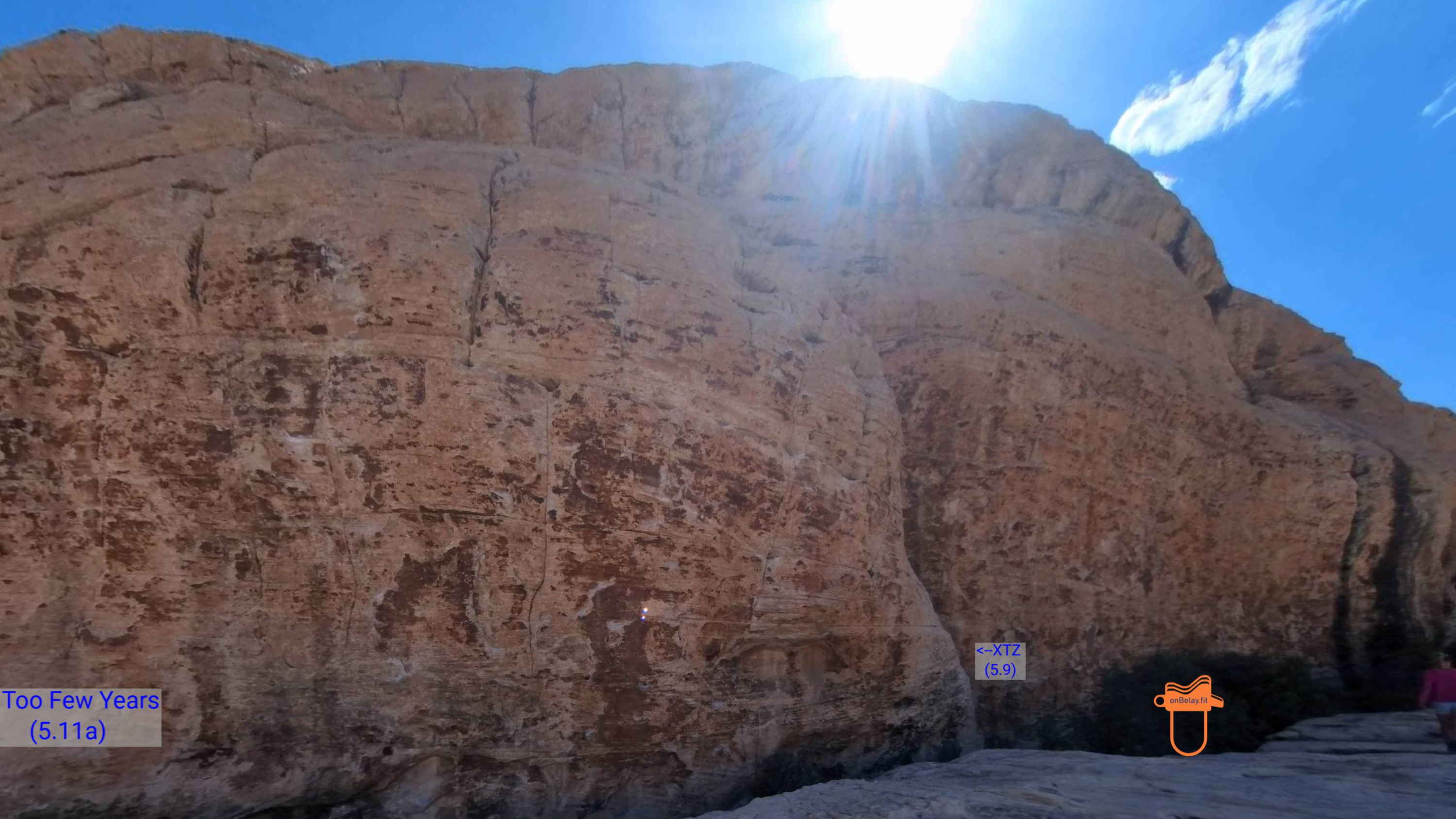
Wake Up Wall is shaded around 3 pm in June.
Let’s be honest—not everyone is built for 5 AM alpine starts. Some climbers rise with the sun, sipping espresso in the still desert air before racking up. But for the rest of us—the night owls, brunch-lovers, and parents managing morning chaos—the thought of tying in before noon feels like punishment. If you fall into this category, don’t worry: Red Rocks offers a surprising number of shaded sport climbing crags that cater to late risers.
With a little shade hunting and strategic planning, you can climb comfortably and avoid the worst of the desert sun. This is especially important in the summer months when exposed sandstone can heat up quickly and become dangerously hot. Fortunately, Red Rocks’ varied terrain provides plenty of canyon corridors and north-facing walls that naturally shield routes from the sun. When you combine local knowledge with tools like ShadeMap and the Mountain Project Sun Angles overlay, you’ll have everything you need to plan safe, shaded climbing sessions—even on the hottest days.
The Art of Shade Hunting in the Desert
Red Rocks is a climber’s paradise with a twist—the sandstone heats up fast. Depending on the season, exposed crags can become oven-hot by mid-morning. Understanding shade patterns is essential to maximize your comfort and climbing time.
Understanding Shade Patterns
The canyon’s topography—full of deep corridors and variously oriented walls—means shadows shift throughout the day. West-facing walls get morning shade, while north-facing walls stay cool the longest. The trick is knowing when and where to be.
Key Tools for Shade Planning
- ClimbShade: A mobile app that visualizes sun and shadow at any time of day, letting you scout shade windows before leaving home. For Android, please join beta.
- Mountain Project’s Sun Angles Map: Toggle the overlay to view sun angles in real-time. This is particularly useful for checking how exposed a wall will be during your planned climbing hours.
Top Shaded Sport Climbing in Red Rocks
These crags all hold afternoon shade and cater to a range of grades and tastes. Many of the 360° photos on onBelay for these walls show mid-June afternoons—so you’re getting that “real feel” for what your session will look like.
Cannibal Crag – Calico Basin
- Aspect: Multi-faced; shade available most times
- Time: Best in the afternoon
- Grades: 5.7–5.12d
Cannibal Crag offers an all-day buffet of shaded options. Routes like Maneater (5.12a), Save the Heart to Eat Later (5.12a), and What’s Eating You (5.10a) make this a local testpiece zone. With wraparound walls, climbers can move as the sun does, chasing shade with minimal walking. The short, flat approach and diverse difficulty range make it appealing to mixed-ability groups.
Little Springs Crag - Calico Basin
- Aspect: North/canyon-facing
- Time: Midday to evening
- Grades: 5.9–5.12-
- Topo & Photos: Little Springs in 360°
A more secluded and serene option, Little Springs is great for climbers looking to escape crowds while still enjoying quality rock. The climbing is mostly moderate, with featured sandstone and good rests. Standout routes include Red Nectar Rage (5.10b) and Zuni Tunes (5.9+). The deep canyon setting means longer-lasting shade, and wildlife sightings (like jackrabbits and lizards) are common bonuses.
The Rift Corridor – First Pullout
- Aspect: Narrow corridor—deep shade from walls and orientation
- Time: Early afternoon to evening
- Grades: 5.8–5.11c
Classic Rock Wall – First Pullout
- Aspect: South side shaded all day; north side shaded late morning onward
- Time: Late morning through late afternoon
- Grades: 5.8–5.12b
- Topo & Photos: Classic Rock Wall in 360°
A favorite in Calico Basin, Classic Rock Wall is beginner-friendly and super accessible. Its proximity to the parking lot and child-friendly belay ledges make it perfect for families or groups with mixed levels. Fun routes include Climbing on a Prayer (5.10a), Sweet Climb O’Mine (5.10c/d), and the Don’t Stop….Belaying (5.9). The wall provides a pleasant breeze, and the surrounding terrain creates a cozy microclimate ideal for group sessions.
Black Corridor – Second Pullout
- Aspect: Deep canyon—shaded almost all day
- Time: Anytime, especially in the afternoon
- Grades: 5.9–5.11b/c
Black Corridor is a premier shady destination for moderate sport climbing. The narrow canyon walls provide consistent shade, even during summer. Located off the Second Pullout on the Scenic Loop, it has almost 40 routes, making it a perfect venue for late starts or after-work sessions. Try Idiot Parade (5.10c), Nightmare on Crude Street (5.10d), or Bonaire (5.9). The short approach and cool conditions make it a top pick year-round.
Wake Up Wall – Sandstone Quarry
- Aspect: Northeast-facing
- Time: Late morning to evening
- Grades: 5.8–5.12c
- Topo & Photos: Wake Up Wall in 360°
This wall stays shaded from late morning onward thanks to its orientation and canyon walls. Expect punchy single-pitch routes on solid sandstone. Highlights include Skid Mark (5.9+), Shut Up and Climb (5.11b), and Native Son (5.11c/d), showcasing excellent footwork and movement. The approach is also manageable—just ~15 minutes from the parking lot. It’s a go-to for locals who want late-day performance conditions without the crowds.
Late-Day Climbing Logistics
Climbing in the desert requires preparation. Here are some key points to ensure you have a safe and enjoyable experience:
Hydration — The desert is dry, even in the shade. Bring more water than you think you’ll need.
Sun Gear — Use a sun hoodie and sunglasses. Light reflects off the walls and can be harsh.
Plan Exits — The Red Rocks Scenic Loop gate closes around sunset—check seasonal hours.
Portable Shade — A small tarp, umbrella, or belay tent can make hot belays manageable.
Snacks and Sustenance — Having a cooler in the car with cold drinks or fruit can feel luxurious when you return after a sun-dodging session.
Climbing Beta & Community Intel
Local climbers, gym regulars, and onBelay.fit often have the freshest beta. Check their topo sections, which include 360° photos taken in June. This way, you can preview real shade and wall texture.
- See actual sun positions in those images.
- Match your climbing window to the topo shade shots.
- Plan smarter and avoid surprises.
Checking in with local climbing gyms like the Nevada Climbing Center & Red Rock Climbing Center (R2C2) is also worth your time. Both are connected to the Red Rocks community and often have up-to-date recommendations for shaded walls.
The Late Riser Advantage
Why chase dawn when the afternoon holds so much potential?
Benefits of Late Climbing:
- Golden Hour Light: Sandstone glows red and orange under the evening sun.
- Fewer Crowds: Popular crags often empty by 2 PM.
- Cooler Temps: Shade combined with afternoon hours leads to better performance conditions.
- Flexible Start: Sleep in, eat well, and enjoy a low-stress approach to your day.
- More Social Climbing: Locals often meet for after-work sessions—late starts are the norm.
Final Word
With the right tools and planning, Red Rocks is a fantastic destination for climbers who prefer to sleep in. Whether you’re chasing hard redpoints at Cannibal or enjoying mellow laps at Black Corridor, there’s no reason to miss out just because your morning starts after 10 AM.
Embrace your rhythm. Climb smarter. And, most importantly—send more, not screen time.
Sleep in. Climb hard. Stay cool. That’s the Red Rocks late riser way.